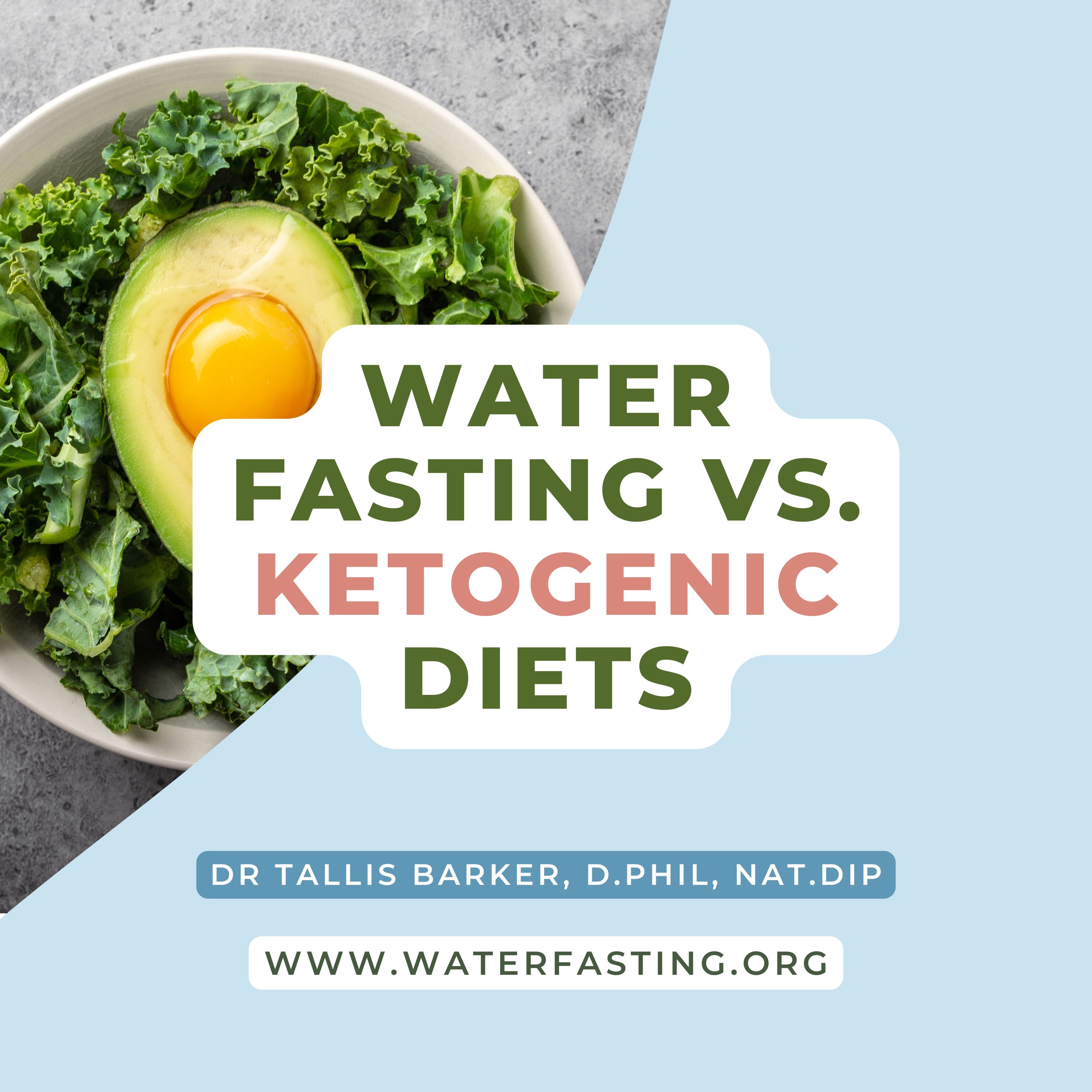
Fasting Ketosis, and Why It’s Different from a Keto Diet
Ketosis is a cornerstone of water fasting—a natural metabolic state where the body switches from burning glucose to burning fat for fuel. But not all ketoses are equal. While dietary ketosis (like that achieved through a ketogenic diet) is now widely discussed, fasting-induced ketosis has distinct physiological and therapeutic effects that are often overlooked.
In this video, I explore how ketosis during water fasting differs from that triggered by diet. The blood chemistry, detox pathways, and liver responses are not the same—and understanding these differences is crucial if you’re fasting for deep detoxification, liver support, or therapeutic healing.
During a water fast, the body enters a more profound metabolic shift. Blood sugar levels fall significantly lower than on a keto diet, and ketone production increases more steeply. But the key difference is what these ketones do: in fasting, ketones act not only as fuel but also as powerful signalling molecules that trigger autophagy, anti-inflammatory responses, and cellular repair mechanisms. This is why therapeutic fasting can offer benefits far beyond weight loss or blood sugar control.
We’ll also look at the pivotal role of the liver in this process. In fasting ketosis, the liver becomes the primary site of both energy conversion and toxin elimination. Hormonal residues, old bile acids, and fat-stored pollutants are mobilised and processed here—making liver health central to the success of any fasting protocol.
▶ Watch the video to understand:
- Introduction (0:00)
- What is ketosis, really? (0:54)
- Physiology of ketosis – why does fasting ketosis reach deeper levels? (1:38)
- What happens to blood glucose during a fast? (5:00)
- How does this support detox and clarity? (6:44)
- Why is the liver the real hero of fasting? (9:44)
Referenced article:
Seidelmann S. B. et al. (2018). Dietary carbohydrate intake and mortality: a prospective cohort study and meta-analysis. The Lancet Public Health, 3(9), e419–e428. A large cohort (15,428 people) showed both low (<40 %) and high (>70 %) carb diets linked to increased mortality, with lowest risk at 50–55 % carbohydrate—especially when carbs were replaced by plant-based fats and proteins .
If you want to explore safe, guided water fasting with a professional coach, learn more about our 1:1 Water Fast Coaching here.
ABOUT DR. TALLIS BARKER:
Dr. Tallis Barker (D.Phil., Oxon; Nat.Dip.) is a leading water fasting expert and associate naturopath with over 15 years of experience guiding clients through extended water fasts. A former academic at Oxford and Harvard, he now supports people worldwide in reversing chronic conditions naturally through fasting.
👍 Like this video?
💬 Leave a comment below with your experience or questions.
NOTE:
This video is for educational purposes only. It does not constitute medical advice. Always consult your healthcare provider before starting a fast or adjusting any medication.


Leave a Reply